
By Dr Bushra Zafar
Tuberculosis (TB) is one of the oldest and yet still among the deadliest infectious diseases in the world. Despite significant advances in diagnosis, treatment, and prevention, the disease remains a major public health challenge in many countries, particularly in low- and middle-income nations. However, what makes the fight against tuberculosis more complex is not only its microbial cause but also the “stigma” or social stigma associated with the disease, which is considered a major barrier to controlling and eradicating TB.
Tuberculosis stigma causes affected individuals to face not only physical illness but also psychological, social, and economic pressures. This situation can disrupt diagnosis, treatment, and prevention processes and contribute to the continued transmission of the disease within communities.
This article examines the concept of tuberculosis stigma, its consequences, and effective approaches to combating this phenomenon, as well as its role in the eradication of the disease.
What Is Tuberculosis Stigma?
Stigma refers to the negative attitudes, beliefs, and behaviors of society toward individuals affected by a disease, leading to discrimination, social exclusion, and reduced self-esteem.
In the case of tuberculosis, stigma occurs when patients are perceived as “dangerous,” “unclean,” “weak,” or even “responsible” for their condition.
In many societies, people affected by tuberculosis avoid disclosing their illness because they fear judgment, discrimination, or social rejection.
Different Forms of Tuberculosis Stigma
Tuberculosis stigma can appear at various levels and forms:
1. Self-Stigma: In this form, the affected person experiences feelings of shame, guilt, or worthlessness. They may isolate themselves from society and avoid seeking help.
2. Social Stigma: This type includes discriminatory behaviors from family members, friends, workplaces, or society toward affected individuals, such as avoiding the patient, limiting interactions, or depriving them of social opportunities.
3. Institutional Stigma: Discrimination may also occur within systems or workplaces, such as refusal to hire affected individuals or inappropriate treatment in healthcare facilities.
Consequences of Tuberculosis Stigma
Stigma is not merely a social issue; it has direct and indirect impacts on public health.
1. Delayed Diagnosis: Fear of social judgment causes many individuals to conceal their symptoms and delay seeking medical care.
This delay can lead to:
- Disease progression
- Increased risk of transmission to others
- More difficult treatment outcomes
2. Reduced Treatment Adherence: Tuberculosis treatment usually lasts several months. Patients affected by stigma may:
- Discontinue medications prematurely
- Miss treatment appointments
- Conceal their condition from others
This increases the risk of developing drug-resistant tuberculosis (DR-TB).
3. Psychological Harm: Affected individuals may experience problems such as:
- Anxiety
- Depression
- Social isolation
- Reduced self-confidence
- Feelings of shame and hopelessness
4. Economic Consequences: Many patients may lose their jobs or face limited employment opportunities due to social and institutional stigma. In addition, treatment costs create additional financial burdens.
5. Continuation of the Transmission Cycle: When patients avoid diagnosis and treatment, the disease remains hidden within the community and transmission continues. Therefore, stigma indirectly obstructs tuberculosis control efforts.
Factors Contributing to Tuberculosis Stigma
Several major factors contribute to the development and persistence of tuberculosis stigma:
1. Lack of Public Awareness: Many people still do not know that tuberculosis:
- Is curable
- Can be controlled with proper treatment
- Can affect anyone
2. Cultural and Traditional Beliefs: In some societies, illness is attributed to moral weakness, poverty, or even divine punishment.
3. Misconceptions About Disease Transmission: Some people believe that casual contact, sharing food, or ordinary social interactions can transmit the disease.
4. Association of Tuberculosis With Poverty: Since the disease is more prevalent in disadvantaged communities, tuberculosis is often perceived as a “disease of the poor,” which further reinforces discrimination.
Ways to Combat Tuberculosis Stigma
Combating stigma is an essential component of tuberculosis control strategies. Without reducing social stigma, disease eradication will remain difficult.
1. Increasing Public Awareness and Education: Community education is the most effective tool for combating stigma.
Key educational messages should include:
- Tuberculosis is curable
- Early diagnosis saves lives
- Patients should not face discrimination
- Social support is part of treatment
The use of media, social networks, schools, and community centers can be highly effective in this regard.
2. Involving Recovered Patients: Individuals who have successfully completed treatment can play an important role in reducing stigma.
Their experiences can:
- Create hope
- Reduce fear
- Convey accurate information
- Increase public awareness about the treatability of the disease
3. Providing Psychological and Social Support for Patients: Healthcare services should not focus solely on medical treatment.
Necessary support measures include:
- Psychological counseling
- Support groups
- Family education
- Social and economic support
These interventions can reduce the effects of stigma.
4. Training Healthcare Workers: Healthcare workers are the first point of contact for patients. Respectful treatment, confidentiality, and effective communication can increase patient trust.
Any discriminatory behavior in healthcare facilities should be eliminated.
5. Responsible Use of Media: Media plays a decisive role in shaping public attitudes.
Media outlets should:
- Avoid discriminatory language
- Highlight successful treatment stories
- Publish scientific and accurate information
- Refrain from portraying patients as victims or threats
6. Developing Supportive Policies: Governments and health institutions should establish policies and regulations to support patients, including:
- Preventing employment discrimination
- Protecting confidentiality
- Ensuring equal access to healthcare services
- Providing economic support for vulnerable patients
The Role of Combating Stigma in Tuberculosis Eradication
Reducing stigma is not merely a social intervention; it is a fundamental strategy for eliminating tuberculosis.
When stigma is reduced:
✓ Patients seek care earlier
✓ Diagnosis occurs more rapidly
✓ Treatment completion improves
✓ Disease transmission decreases
✓ Trust in the healthcare system increases
✓ Community participation in control programs becomes stronger
In fact, combating stigma may be the missing link in tuberculosis eradication programs.
Global tuberculosis control targets can only be achieved by creating an environment free from discrimination and fear.
In a nutshell: Tuberculosis is not merely an infectious disease; it is also a social, psychological, and human issue. Stigma associated with the disease can disrupt diagnosis, treatment, and control efforts and hinder the achievement of eradication goals.
Eliminating social stigma requires cooperation among governments, health institutions, media, local communities, and patients themselves. Education, raising awareness, social support, and changing attitudes are key tools in this process.
A society that accepts people affected by tuberculosis with respect, support, and mutual understanding takes a major step toward controlling and eliminating the disease.
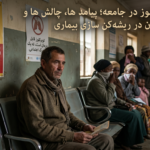
استگمای توبرکلوز در جامعه؛ پیامد ها، چالش ها و نقش مبارزه با آن در ریشه کن سازی بیماری



Great article, Dr. Bushra Zafar. First of all thank you for sharing this useful information.It was very easy to understand and clearly written. You explained TB stigma in a simple way, and it helped everyone understand the problem better.
I think this topic is very important because many people still have wrong ideas about tuberculosis and patients. Articles like this can really help change people’s thinking.
Wish u more success.
[…] Click here to read the English version of this article […]